Bullying
One of the most frequent questions we receive here at the Dojo is how one can stop bullying? It would be disingenuous to rattle off canned answers without knowing the exact details of the particular situation. While bullying is never acceptable, every child’s situation may require different strategies to stop it from happening.
What is bullying?
Bullying is when someone repeatedly and on purpose says or does mean or hurtful things to another person who has a hard time defending him or herself.
What forms can it take?
- Physical bullying such as pushing, hitting, or kicking
- Verbal bullying such as calling names and leaving another person out of a group
- Telling lies and spreading false rumors
- Taking away money or other things or damaging personal property
- Threatening or forcing another person to do things they don’t want to do
- Racial bullying
- Sexual bullying
- Cyber-bullying (via texting, cell phone, computer. Facebook, Myspace etc.)
Studies show about 29% of kids gets bullied at least once per week. About 85% of confrontations are witnessed by others. Because kids tend to stay quiet about embarrassing things, my guess is that the statistic is far greater. Don’t assume your children are free from bullying. Talk to them a lot about bullying, so that they remain open to discussing it, even if it was initially uncomfortable.
What are some signs of being bullied?
Warning signs that a child is being bullied are: being afraid or unwilling to go to school, having lots of headaches or stomachaches, sleeping poorly or having nightmares, losing interest in school, and suffering academically. More signs to watch for include:
- He or she comes home with torn, dirty, or wet clothes or damaged books, or “loses” things without being able to give a proper explanation of what happened
- Has bruises, cuts, scratches, and injuries that can’t be explained
- Chooses an “illogical” route to and from school
- Seems unhappy, downhearted, depressed, or has mood swings with sudden outbursts of irritation or anger
- Steals or asks for extra money to bribe or soften up the bully
Here are some suggestions to teach your kids when you talk to them: Remember there are no perfect answers. Any or all of these suggestions may work?
- Tell your teacher, parents, friends, bus driver etc. Never, ever stay quiet about it!
- As soon as you can, find an adult or teacher you trust and tell them what happened. It is your right to be safe!
- Avoid the bully if possible (tell a teacher why you want to avoid this place and name names)
- Hang with supportive friends in groups (bullies tend to attack loners)
- If the bullying continues, walk away, join other children or ask someone else for help.
- Look the bully in the eye and say (with a firm commanding voice) “Stop it!!” This has been known in some cases to thwart the bully. Bullies usually want to dominate, not be challenged.
Parents often ask “Should my child hit back?” This option is definitely the poorest choice. There will certainly be short and long-term consequences to it. I have seen it backfire and make the bullying worse. I have also seen it work. Personally, I do not advocate it. Again, there are many better options like getting the school and parents involved. All experts I have personally consulted say that hitting back is not the answer. It only creates more psychological problems down the road.
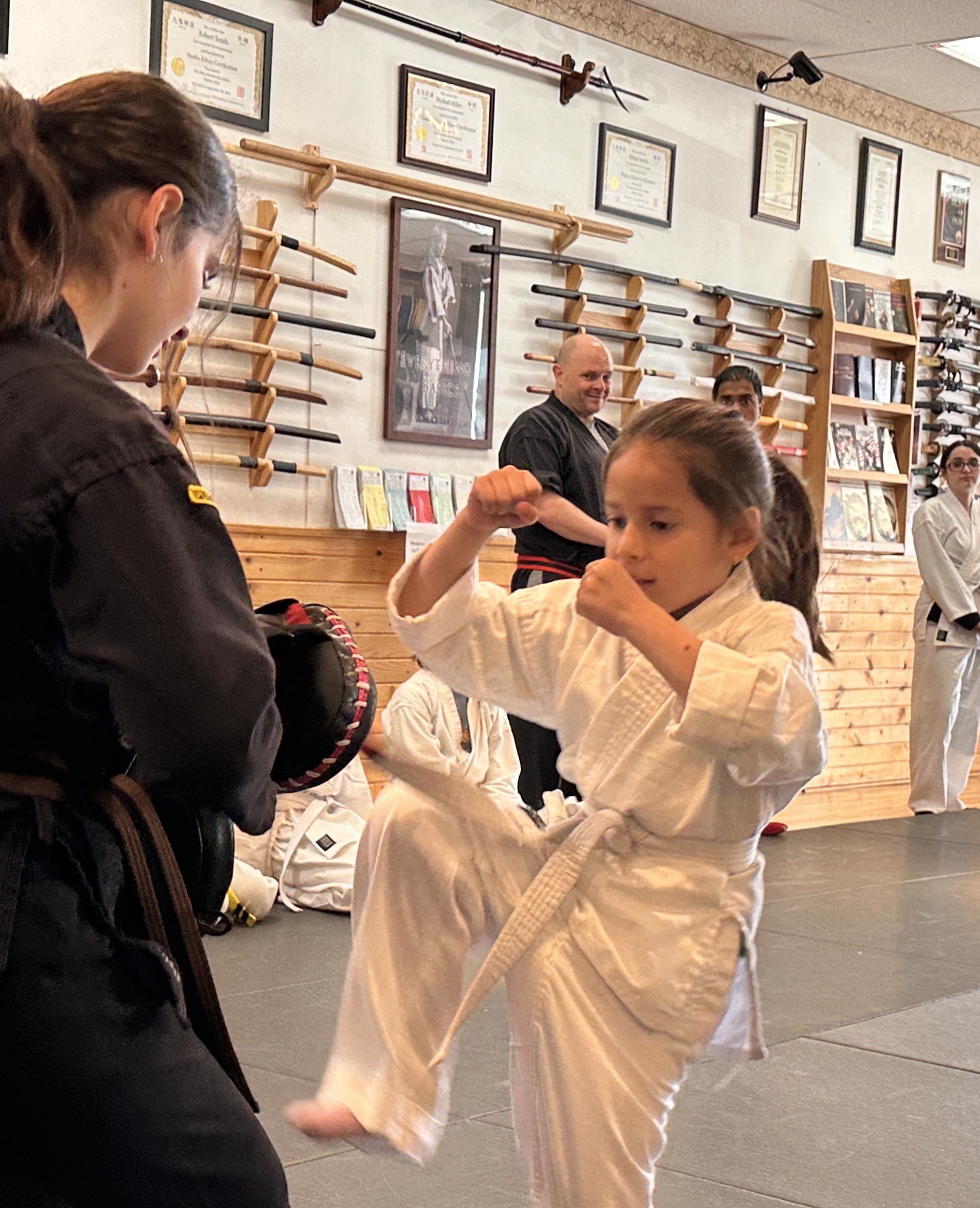
Signing the kids up in a non-sport martial art is a fantastic way to develop inner confidence, strength and perseverance. Consistent classes for at least a couple of years will ensure your child will be able to face and overcome confrontations of all sorts. If you go to a martial arts school, make sure the teachers talk about bullying and address the issue frequently with the students.
Parents: Think back when you were bullied as a child, did you tell anybody about it? Have frequent talks with your children about bullying. Communication is the key to a healthy parent/child relationship. If your kids are being bullied, find out about it and take immediate action to stop it through the school or parent etc. Taking no action will guarantee a continuation which can severely damage your child’s character for his or her entire lifetime. Bullying can also lead to committing suicide. Please take this often silent issue seriously. It is far more common than we can imagine.
Todd Ryotoshi Norcross